

Awakening the Soul: A Yoga Intensive in Rochester, NY, December 2016
Key Topics Covered:
What is the Soul?
Wheel of Awareness Meditation
6 Questions to prepare for death
How to find your soul/role in an insane world
Embodied Sacred Practice:
1.Finding the heart and orienting to the seven sacred directions
2.The Sphere, the Tube and 3 Dimensional embodiment.
3. Navel Intelligence and Embryology
4. Kidney 1 and the deep front line,
5. Using the inner back heel to release the tail energy
6. Articulating all the bones of the upper limbs
7. Hanging dog alignment
8. Viloma to balance prana and apana
9. Introduction to Active Dreaming
Resources in the field of Awakening
What is the Soul?
In Patanjali’s Yoga Sutras, the Sankhya terms Purusha and Prakriti are used to point to the masculine and feminine faces of Divinity in our human experience; the masculine as unchanging, unbounded, formless and timeless is Purusha; the feminine as the changing, 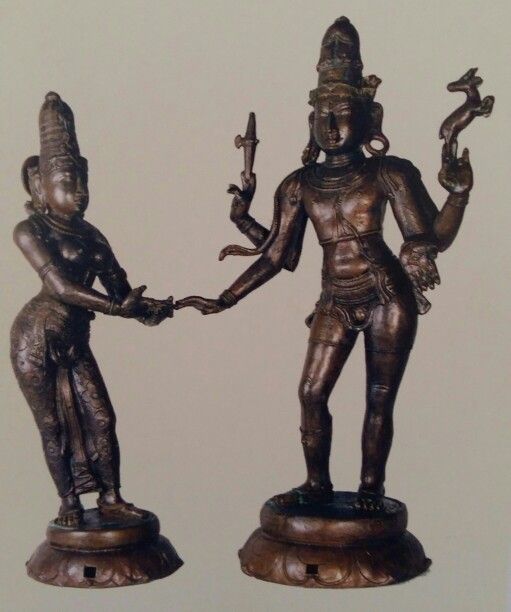 impermanent world of forms, from atoms to galaxies, thoughts to dreams, where learning and growth take place is Prakriti. In India you will also see these personalized as Shiva and Shakti. Other cultures have used Soul and Spirit to point to the same two faces. In some Soul is unchanging wholeness and Spirit is the vehicle of growth. I am using Soul as the feminine aspect, representing our inner Divinity as an awakening growing, maturing, curious, emerging self guiding expression of life.
From this perspective, soul is very personal. Our own soul journey is absolutely unique and we must honor that uniqueness. At our deepest level is a powerful urge to express ourselves in a way never seen before in creation, and we are the only ones who can know and live this life. And, soul is also universal. Soul is a deep reflection of wholeness that is inextricably bound with all other souls, all of creation. Soul knows its connection to all existence and wants to celebrate to inspire others to discover their own uniqueness. This is known as authenticity.
All beginners imitate as a way to develop skills, but maturity brings out the uniqueness of the soul that no longer needs to imitate. Let your yoga practice and teaching be authentically your own. That is being true to your self, your soul. There will be struggles, confusion, loneliness and despair on your soul journey, but in that darkness is where the deep healing and boundless creativity can be discovered. The soul is at home in darkness as it knows the inner light of spirit is ever present, and as you radiate your own love and compassion into the cosmic field, all beings will be touched and moved. We strengthen the collective field and it strengthens us.
Dan Siegel’s Wheel of Awareness meditation sets the tone for all of our soul explorations and helps accelerate the cultivation of viveka, the ability to both discriminate between, and integrate, the ever changing phenomena of Prakriti and the unbounded, unchanging presence/Awareness of Purusha. These two fundamental expressions of non-dual wholeness each require continuous cultivation and refinement, thus allowing us to grow spiritually and participate fully in the Great Awakening emerging on Mother Earth.
One crucial skill, ‘resting in Awareness’, aka Stillness or Silence, awakens Purusha and requires discovering one or many of the portals to the ever-present infinite. The heart center is one, as is the pause between breaths, the space between two sounds, and there is always the ‘Cosmic WOW’! The Wheel of Awareness meditation is a great place to cultivate this skill. The cultivation of “Stillness” builds the deep stability and inner strength needed to withstand the inner storms, turmoil, complications and pain of the mind/body as it learns to live and love in this crazy world.
The second involves diving into the the world of change. The outer world, including Mother Nature and other humans, offers continuous challenges, The inner world of our thoughts, beliefs, memories and confusion, is even more challenging. Both inner and outer, in their moment to moment unfolding, actually follow simple rules. These are taught to children in the story of ‘Goldilocks and the Three Bears, and to adult yogis through the gunas, or qualities of energy/Prakriti. All of creation is constantly seeking balance between what appear to be opposite tendencies.
Rather than seeing these opposites as contradictory, or in conflict, we can learn to live with contradiction by finding the link that creates a unity from two. Hot and cold are opposites, but life hovers in an amazing dance of balance between both. Same with hard and soft, fast and slow, inner and outer. The balance is always changing, and certainly varies from person to person. there is no formula to balance. It must be lived moment to moment on the razor’s edge of aliveness. We will visit this in Viloma Pranayama below where inhalation and exhalation, expanding and condensing seek balance.
In this meditation exploration, we use the wheel as a visual and spatial metaphor of the mind. Around the rim of the wheel are located the various information streams that feed the brain, which can be divided into four basic categories. 1. Exteroception includes the five outer senses: sight, hearing, taste, smell and touch: 2. Interoception: 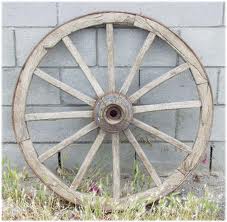 noticing the inner environment includes: kinesthesia which feeds information from the muscles, bones and joints about location and movement: proprioception, where we feel the motility or inner movements from the organs and fluids, driven by breathing, the heart beat, peristalsis and the cranio-sacral rhythms: emotional perception includes the recognition of our emotional energies percolating up from the cells and organs and the perception of the cognitive (word based) energies including the ‘monkey mind’. 3. Relational Field: here we pick up on the exchange of energies between two, and among groups of people. This is a complex and fascination area studied in interpersonal neurobiology. 4. The Imaginal Realm where dreams and active imagination operate. These sources stream to the hub along the ‘spokes’ and we use the hub to locate ‘awareness’. (Warning! All metaphors are limited. Useful but limited. Awareness is not confined by space or time.)
From the ‘hub’ of awareness, we direct our attention out the various ‘spokes/information streams’ to observe what is arising. We may notice the the process of ‘attention’ has a mind of its own and may jump from one spoke to another. Our discipline, (abhyasa), is to help stabilize attention, by bringing it to a specific spoke (dharana), keeping it there with some mindful effort (dhyana), and eventually having this become effortless (samadhi). Also we can cultivate a flexible attention that we can use efficiently as we take in the world without being ‘distracted’ by random sensations or thoughts. (I have personally found the ‘soundscape’ a very rich field for practice. Close your eyes and notice the coming and going of the sounds that surround you. Notice the silence between sounds, and then the silence undisturbed by whatever sound is arising.)
In the ‘wheel of awareness’, we go back and forth, from the ‘hub of awareness’ to the various modalities out on the rim. What is most helpful is to really rest in the hub in between trips to the rim. Here awareness rest in itself. Awareness, not needing any information/objects of attention to sustain it, is still, open, unbounded by space and time. Patanjali calls this drashtuh svarupe’ the seer resting it its own inherent nature, and uses this to describe the result of yoga. (PYS, I-3). Eckhart Tolle use the term ‘Now’. Atman, Brahman, Presence, Primordial Being are some other ‘pointing’ words. You can also use your open heart as the silent center.
By resting in awareness, we learn to not be so reactive to what arises, so we begin to tease apart the many layers of reactivity that comprise the ‘vrttis’ Patanjali describes in the Samadhi Pada. We see the ephemeral nature of thoughts, beliefs, ideas, sensations and slowly disentangle our ‘self-sense’ from this transient world.
In a somatic based practice like hatha yoga, the information streams coming from the body/mind are cultivated, studied and refined. We learn to feel our way through the body and allow the wisdom of the body to reveal itself moment to moment. Most yoga students begin with the mind telling the body what to do because they have never been taught how to feel, how to listen to the body. As teachers we need to help the students develop the confidence to trust what they feel and to not be afraid of sensations that are less than pleasant. Those sensations are our teachers.
Centering in the Heart (click here to see Torroidal Heart Field Meditation)
6 questions to ask oneself in preparation for death: Part 1
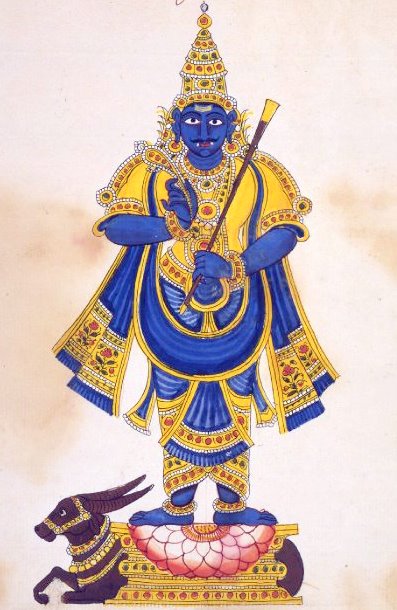 When death comes knock knock knocking at your door, there will be questions that need to be answered in order to determine where, what and how your soul will continue on its cosmic journey. They must be answered honestly, as death cannot be fooled. Take you time to look deeply into your heart for your answers, and then write them down. (These questions come from Robert Moss and his work with Active Dreaming and Shamanic Journeying to the other side.)
1. As you look back over your life, what do you most regret not having done?
2. As you look back over your life, what is the moment you most regret when your courage failed you?
3. What do you most regret doing, or not doing, that caused pain and suffering to someone else?
4. Are you willing to let go of the pain and harm others have caused you?
5. Can you truly, deeply forgive yourself?
6. Despite everything else, are you willing to let go of the small self and surrender into something much larger, what we can call unconditional love?
Now, if you have been given a reprieve from death, return to the questions and come up with action plans to remediate any that need it. What can you, what will you do to let go of the regret you carry from not doing something? How can you summon the courage to face a challenge yet to come, (like dying, perhaps)? How can you make amends and/or seek forgiveness for any harm you have done? Can you forgive all the others who have caused harm to you? Can you forgive yourself? Ask you heart to help with this and the next one. Can you let go of everything and trust that you will be safe? Spend the rest of your life working to keep releasing anything in the way of your freedom.
The Role of the Soul in an Insane World
The shock of the Obama-Trump transition will continue to ripple through the planet for many years. And, as dark as it may seem, those of us in America still have it better than most of the world. The question for all of us is ‘what can I do to continue to participate in the healing and spiritual growth, both personally and collectively’? Whining and wallowing in woe drains energy and serves no useful purpose. On the individual level, find one or more issues you are passionate about and roles you can play to help work on them. Small is as important as big, maybe even more so. Pour your best energy into accomplishing something that moves life forward; towards more love, more compassion, more understanding of the issues, more safety, more delight, more awe. No more wasting energy. No more regrets.
On a collective level, recognize and tap into the larger field. In meditation, feel the power of all who are meditating with you around the planet at that moment in time. In action, feel the group strength of all the others who share a vision of healing and love and use that to empower your own actions. Feed the field with your own clarity of intention and action. No one can do this alone. It is a collective emergence we are nurturing, and simultaneously being nurtured by.
On the shamanic levels, connect with and draw strength from other levels of reality. In the upper realms find your guardian angels and any other teacher or wisdom carriers who resonate with you. Invite them in through your dreams and active imagination. In the lower levels, discover your power animals, mineral and plant allies, and any other aspect of Mother Earth that feeds you. Your soul inhabits these realms already, so this is more of an awakening and remembering.
Remember you are human; highly imperfect and a work in progress. Cultivate, as Pema Chodron advises, discomfort resilience. Awakening from self delusion can be uncomfortable if not painful, and often personally so, but it is also liberating and bursting with creative juice. Be compassionate to yourself.
Embodied Spiritual Practice:
1. click to explore: The Seven Sacred Directions
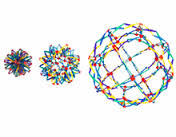
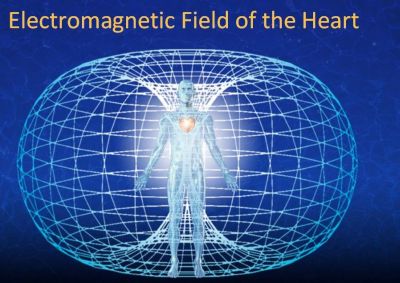 2. Spheres and Tubes:
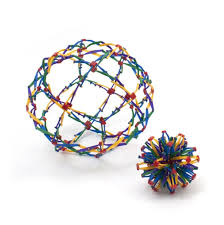
Feel the sphere transforming into a torus with the emergence of a hollow tube passing along your core line, opening crown and root chakras. Spheres and tubes are fractals of nature. Find them in you body, in your field of perception, in your imagination. In sacred geometry, the circle represents the feminine and the line the masculine. In three dimensions, they become the sphere and tube.
3. Embryology 101:
1. Explore navel with imaginal umbilicus and placenta. Trace the energy and feel the fields and flow extending in and out, forward and backward.
2. Find and explore the first emergence of the mesoderm as the fascial plane in the body dividing front from back.
3. Feel the fluidity of your being before the bones emerge. Be oceanic. Be kelp-like, dissolve boundaries and merge with the cosmic ocean. Feel the tides and currents.
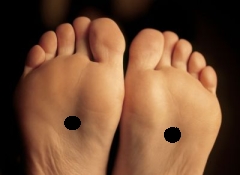 4. Kidney 1 and the Deep Front Line
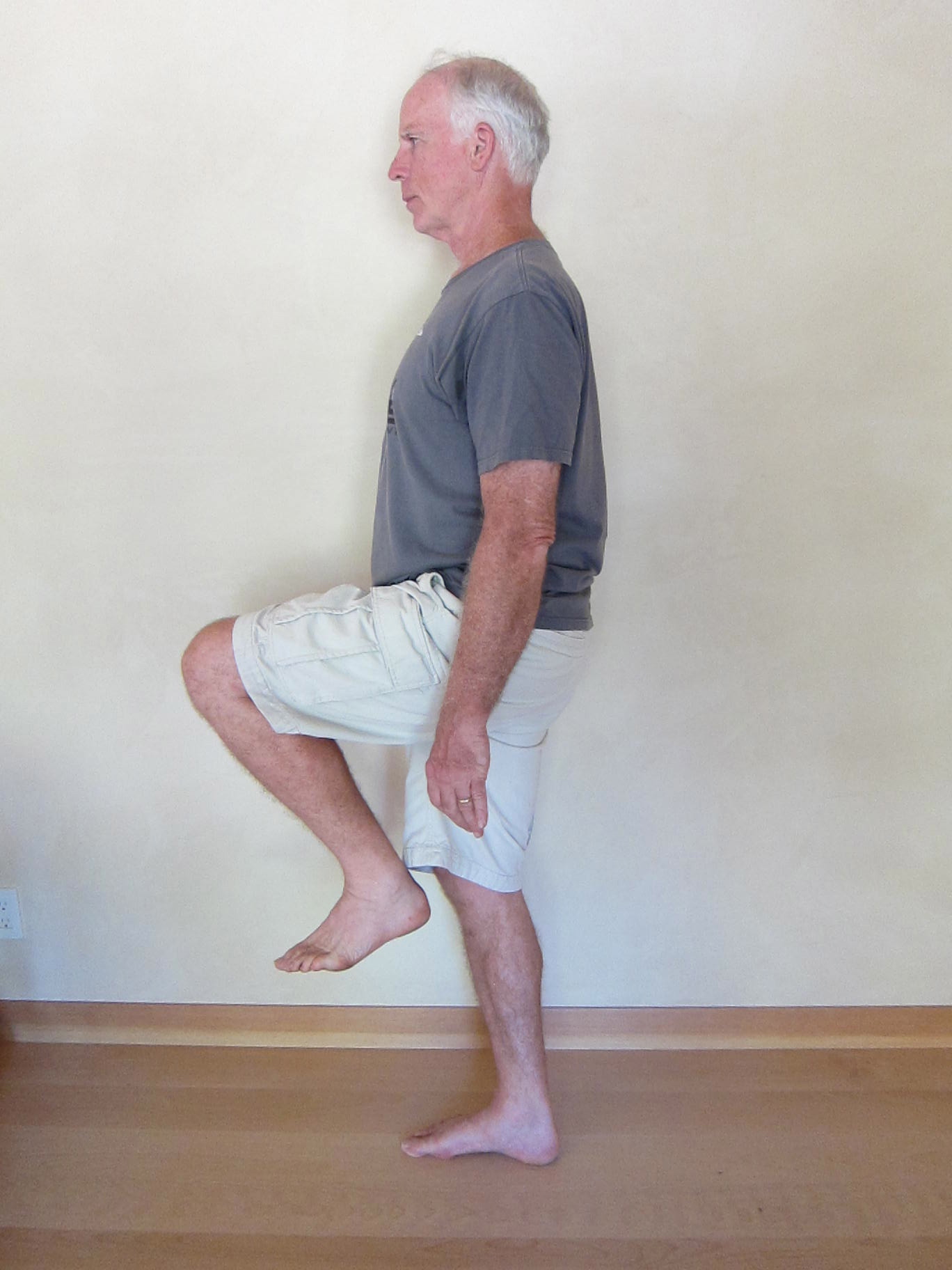
The acupuncture point on the soles of the feet, yong quan or ‘Kidney 1’, the ‘bubbling spring’ is an amazing place to bring attention/feeling/action. This is the major energetic grounding point in the body and you can feel its power immediately in standing and moving when you are there. As an athlete you are taught to ‘be on your toes’ and not ‘back on your heels’. On your toes is more accurately described by ground through ‘kidney 1’ and let your heels feel alive but light. Try moving this way and notice that you can move effortlessly in any direction, and change direction easily as well. This is the root point of tadasana.
‘The Deep Front Line’, one of Tom Myer’s profound insights into the fascial continuities of the human body presented in his book ‘Anatomy Trains’, is helpful to both visualize and feel how the feet connect through the core of the body, to the organs, diaphragm and skull. When the DFL wakes up perceptually, our experience of the whole series of standing poses is transformed.
5. Using the inner back heel in standing poses to open tail/muladhara.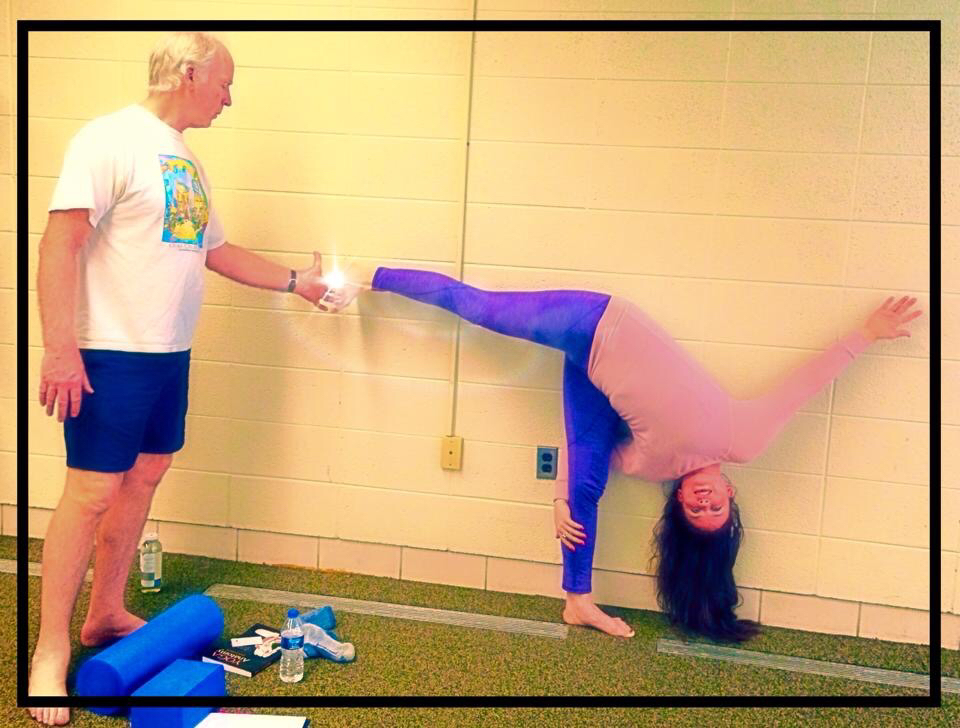
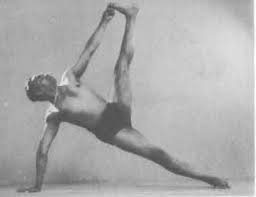
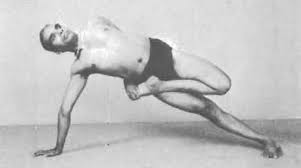
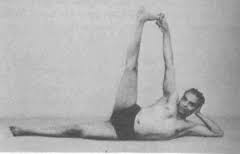
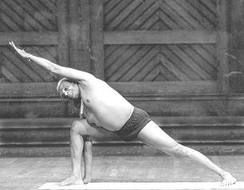
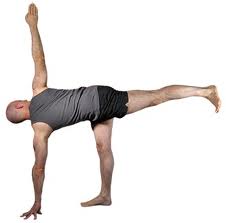
Here Amy McCoy has K1 engaged, the DFL open and is extending through her inner heel to open the core energy from the muladhara and out through her crown chakra. There is no rebound as the foot is in the air so there is freedom to keep extending forever. With the back leg grounded,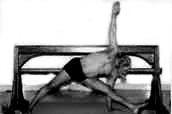 as in trikonasana, the floor gives a rebound. The trick is to still expend through the floor and out into the world without slipping. Notice how Iyengar uses the horse to extend through both front and back inner heels. With this support, trikonasana becomes a very powerful chakra opener.
6. Articulating the Bones of the Upper Limbs
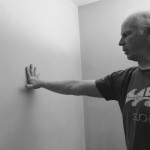 Refining the Articulation of the Arms: Here we play with the dvandvas, the opposite actions to further differentiate the various bones of the hands, arms and shoulders. This will help refine both action and perception throughout the area. There are many steps, but the basic action remains the same all the way through.
To start, find the tips of the fingers, the bones furthest away from the body, as they press the wall. Keep them pressing the wall as all the other bones including torso release away from the wall. From this double action, feel the first set of joints joints opening as perception, as space. Next, add the next set of phalanges. From the second joints, extend into the wall, and release all other bones away from the wall. Feel the spaces opening. 3: Third set of phalanges now join all phalanges to press the wall, all others away. 4. Add metacarpals. 5. Add first row of carpals. 6. Add second row of carpals. 7. Add radius, but not ulna! Radius and all other bones of hand to wall, ulna and all others away. 8. Add ulna, open elbow. 9. Add humerus, open shoulder joint. 10. Add scapula to open AC joint. 11. Add collar bone to open sterno-clavicular joint. 12 Add sternum to awaken ribs. 13. Add ribs to find lungs and heart. This whole process will take 10 minutes or more, especially in the beginning, when it is all new. And that is just one side! After some practice, you will be able to open all the gates more quickly.
Before you do you second side, take time to feel how different the two sides are. Notice quality as well as quantity of sensation/perception and insight. Again, before you do your second side, try dog pose and follow the connections throughout the body.
7. Hanging Dog Alignment
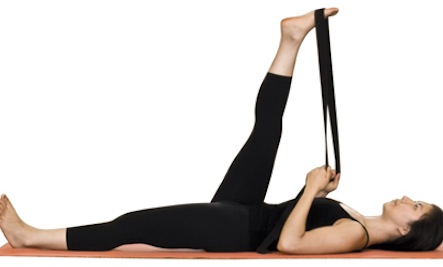
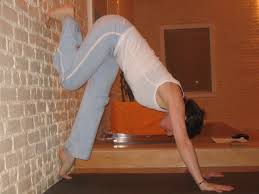
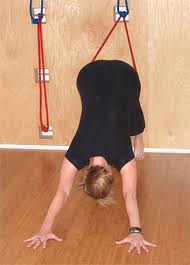 Belts and a partner, or a rope wall, can help refine our sense of opposite action and balance. Notice how the rope creates an energy vector that mimics your imaginary tail. This grounding energy now lifts you up away from your shoulders, so now, instead of hanging out there you can very subtly lift and lengthen away from the ropes.
8. Viloma to balance prana and apana
Pranayama: Viloma I and II
Viloma breathing involves a creating a series of pauses during the flow of inhalation and exhalation, like walking up and down stairs. Viloma I is (roughly): inhale-inhale-pause-inhale-inhale-pause-inhale-inhale -pause- normal exhalation -pause- next cycle.Viloma II is (roughly): normal inhalation, pause-exhale-exhale-pause-exhale-exhale-pause-exhale-exhale- pause – next cycle. If you are a natural inhaler, Viloma I will feel easy and Viloma II more challenging. If you are a natural exhaler, vice versa. It seems to be 50 – 50 in the yoga population.
Of the 5 Prana vayus, prana and apana come first. Prana is the expanding of inhalation, engaging the ribs, intercostals and shortening the diaphragm to increase the volume of the chest cavity. Apana is the squeezing/condensing of exhalation, using the abdominal muscles to lengthen the diaphragm and expel the air. Because the chest has a constant negative pressure and the abdominal region a constant positive pressure (both relative to the outside world), years of living can create the very common collapsed chest and distended belly. Thus the belly tends to expand on inhalation (not the chest) and the chest to squeeze in and down on exhalation. This cycle is self perpetuating. We can use viloma to recharge the expanding chest energy and the squeezing of the belly energy. ( remember that the heart energy is Always expanding, independent of the breath.)
Now we can see that in Viloma we find the ‘seed of the opposite’ in the cycles. We will find apana in the pranic inhalation by maintaining and further engaging a slight squeezing of the belly. In the apanic exhalation, we will keep the chest expanding, recharging during the pauses, so the belly can squeeze more fully. Later in the asanas, we will explore how the samana vayu acts to help integrate prana and apana.
Practice 1: If you are a beginner, you may feel the the pauses to reverse direction a bit. no problem In viloma I, inhale-inhale-slight exhalation-inhale-inhale-slight exhalation etc. During the pauses you are recharging the belly squeeze which may expel some air. As you become more experienced, the squeezing of the belly in the pause opens the chest more and stretches the diaphragm and intercostals without expelling any air. You are just changing the shape of the container.
Viloma II is: exhale-exhale-slight inhalation-exhale-exhale-slight inhalation etc. I call this ‘Looping’ Viloma as the energy loops at each pause. For a beginner, you may feel some air coming in on the loop/pause. No problem. During the pause expand the chest so that the squeezing belly is doing the out breath. This will stretch the diaphragm. The average person never strethces the diaphragm, and it gets tighter and tighter with age. Viloma can reverse that.
Practice 2: If the previous practice is comfortable, use the pauses to begin to perceptually differentiate ribs and diaphragm. Inhalation is used to expand the ribs/chest/intercostals, exhalation to tone abdominal wall and stretch and lengthen the diaphragm. Viloma I: inhale-inhale-inhale-keep chest expanding as you squeeze the belly in from the sides and peel the edges of the diaphragm in away from the ribs; inhale – inhale- repeat -etc. Viloma II: exhale-exhale-exhale-expand the chest out-keeping the diaphragm squeezing inward – exhale-exhale etc.
Practice 3: When the ribs and diaphragm are in harmony, the pauses of Viloma are an opportunity to rest in deep stillness, neither inhaling nor exhaling. This is preparation for the longer kumbhakas or retentions in ujjayi pranayama.
9. Introduction to Active Dreaming
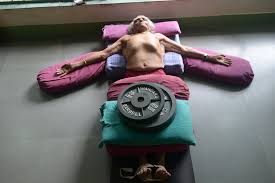
In savasana, when alignment and support are taken care of, relax everything – everywhere, as best possible and imagine yourself in a place where you can experience a deep sense of peace, safety, inner healing and continuing spiritual growth. Start simply and use all of your senses to create this imaginal world. What do you see here? A garden with flowers, a lake, the ocean, angels? What are the sounds? Birds, running water, soothing music? What do you smell? What do you feel through your skin, through your organs and fluids, in your bones? Work on this over time, every day, for the rest of your life. It will change and evolve. Invite your teachers/guides to join you. Rest there, heal there, study there.
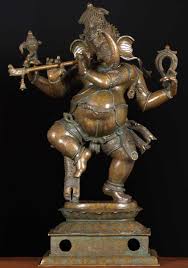 The inner imaginal realm is a vast infinite space, open for exploration and discovery. We begin by grounding the nervous system in safety and light, and asking for support and guidance. The next steps will involve having a great gatekeeper. As yoga students, Ganeshaji is the perfect teammate to have on our inner journeys as he is the remover of obstacles and a tremendous defender.
Om Gam Ganapataye Namaha!
Further Resources in the Field of Awakening
Sounds True: amazing collection of audio and video recordings from many facets of the awakening. great teachers and guides you can have with you as you drive, or study at home. www.soundstrue.com
Shift Network: www.theshiftnetwork.com/ Wonderful source of on-line courses and events centered of the great awakening. The shamanic dreaming and dying courses I am taking are hosted here.
Robert Moss: http://mossdreams.com My dream teacher and mind-boggling guide to the many layers and levels of non-local reality awaiting our discovery.
Pema Chodron http://pemachodronfoundation.org Amazing teacher, grounded in the darkness of the human condition and the light of love and compassion. She has many books as well as audio and video teachings available.
Thomas Huebl: https://thomashueblonline.com/ Teacher who focuses on the collective awakening and the spiritual practice of being in relationships.
Resources in Movement: web site for Caryn McHose and Kevin Frank, dear friends and deeply engaged somanauts and spiritual beings. The ‘Books and Articles section has a vast library of insight for bodyworkers, yogis and lovers of the somatic journey.