

 Now that we have landed in Ojai and are starting to grow some permanent (?) roots here, the muladhara, source of all rooting, has begun to reveal many new layers and levels of meaning to me.
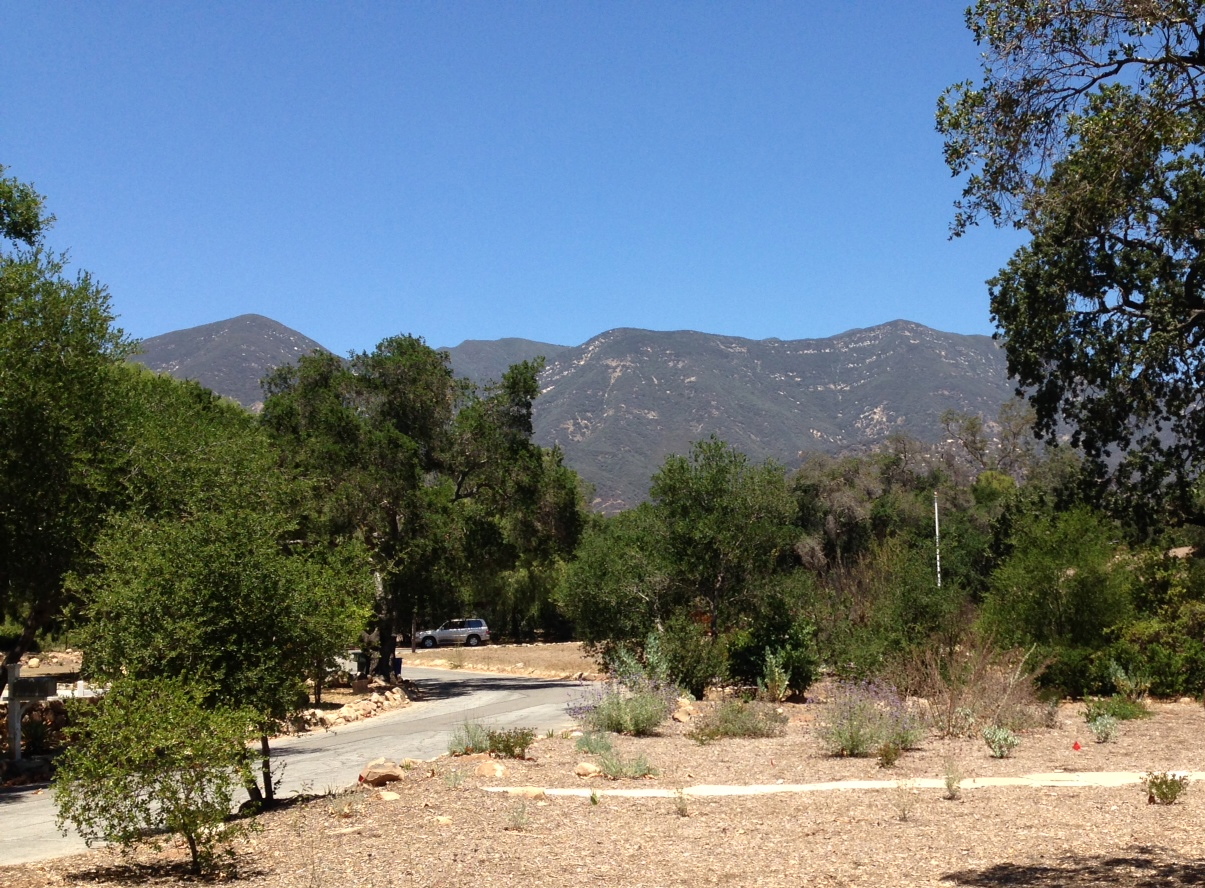
There is something about mountains that is very grounding. They announce ‘stable presence’ quietly and elegantly. This view looking north from our front yard shows the Nordoff Ridge, an extension of the Topatopa Mountains, the range that gives the Ojai valley such a powerful spiritual energy. The region provides a habitat for thousands of species of living beings, including us newcomers, the humans. The Topatopas may be 15 -20 million years old, as they were formed as a result of the Pacific Plate first colliding with the North American Plate 20 – 25 million years ago. The collision is still taking place, of course, so even here, stability is relative. Tadasana, mountain pose, is the yogic expression of roots and rooting, and the foundation for all standing asanas. Here the legs, an extension of the muladhara, are trained to channel energy from the body to the core of Mother Earth and back again, like the two prongs of an electrical plug. How, in our lives, can we be a stable presence, as life passes through us in waves of change and transformation?
Trees are masters of grounding. Quercus agrifolia, the California Coastal Oak, is the dominant tree hear in the ‘Arbolada’ section of Ojai. This beauty, just by our front door, is but one of a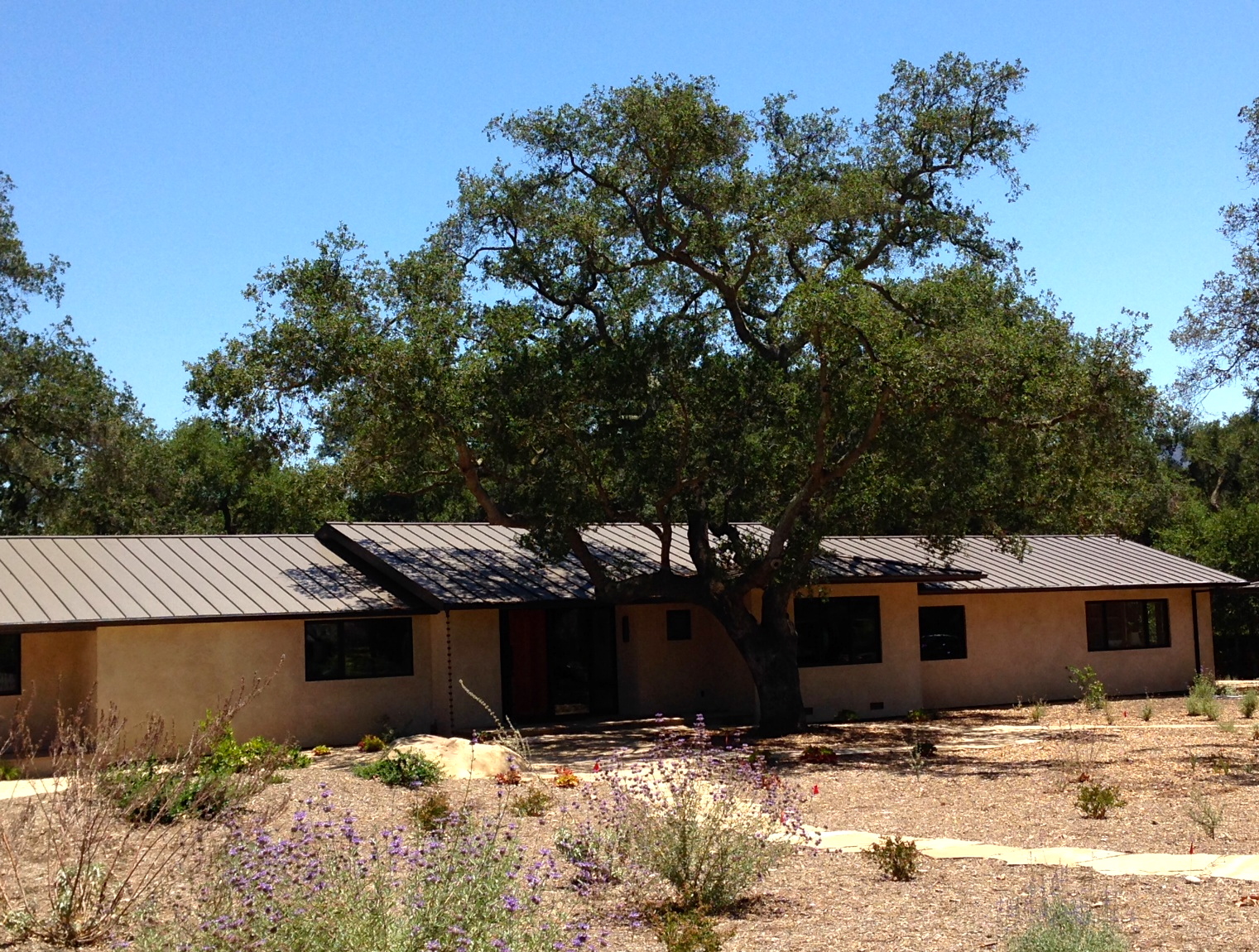 dozen on the land, and is easily over 100 years old. Because of the Mediterranean climate here in California, the coastal oaks need a deep root system that often mirrors the canopy. I am surrounded by my teachers as I sit here typing away and I feel their presence. They are very patient, stable and mature, and also provide homes for the local birds and tree squirrels. They inhabit the land with grace and elegance, and invite others to join. The oak trees told Kate that this was to be our habitat when she first saw the property several years ago. How can we allow this precious gift of a human body become a safe haven and place of nurturance for the other beings who share our space?
Now, we have have only been here a few weeks, so our roots are not quite as deep as the Topatopas or the oaks, but the sage plants you see above have been in place for only a few months themselves. Like us, they are new to the neighborhood, and also need a lot of nurturing while their roots are getting established. Once settled in they will be quite self sufficient, but for now they need to be watched and watered. What aspects of ourselves need special treatment these days, to help their roots to become strong?
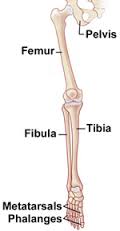 In our asana practice, what does it mean to ‘ground’ this human body we have inherited? What does it mean to inhabit it, to invite in new forms of aliveness, to help it thrive? We can answer this from the three levels of embodiment we have been exploring, structure, energy and fields.
Structure
The structure is simple on the surface. Can we allow the weight of the body to be carried effortlessly by the legs, from pelvis to toes? Every bone, every joint, every muscle and collagen fiber has a role to play. Standing poses are the teachers. They request and teach strength and flexibility, power and elasticity.
As we have inherited our feet from our 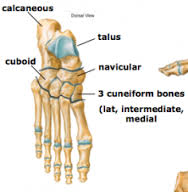 mammalian and reptilian ancestors, the use of the tarsal bones, especially the talus, navicular and cuboid to transfer weight and integrate movement is crucial. (Remember, the heel bones are secondary when it comes to grounding the energy flow. Quadriped’s heels never touch the ground.) Can we fully inhabit our feet so we can feel and move every bone and joint? Can we open the energy channels of the heel bones without jamming the ankle joints, or losing the grounding through the tarsals – metatarsals – phalanges? Grounding is not necessarily weight bearing. Old injuries of course inhibit free flow, but life finds ways around the injuries if we can only slow down and explore the subtleties. Hands on help, self administered, or from a friend or somatic practitioner can nurture the bony pathways into more life and flow. Nurturing the roots is always a good thing.
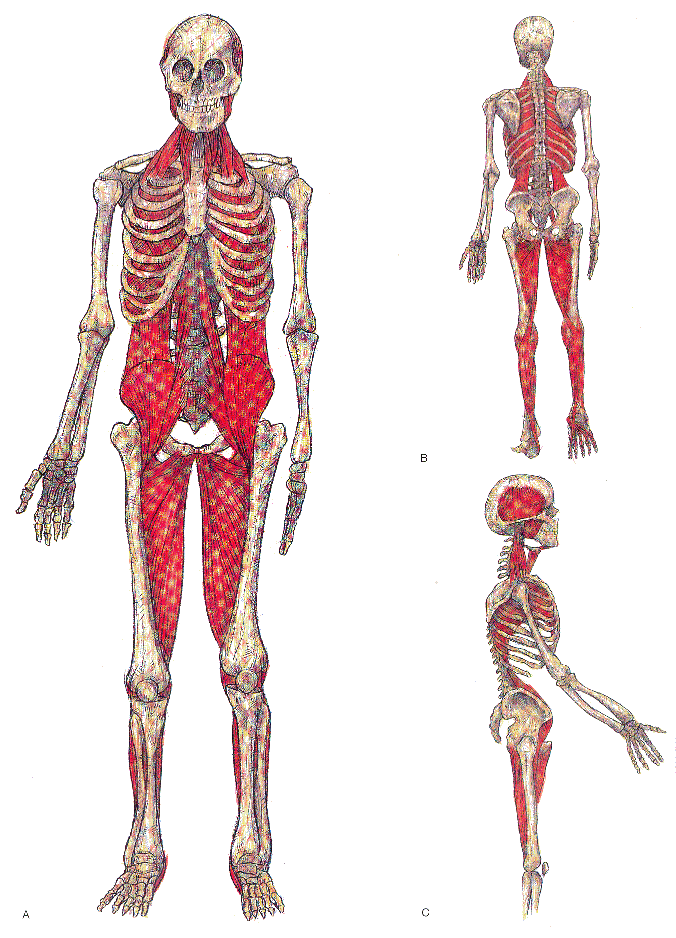 On the structural plane, we also have our old friend, the Deep Front Line, from Tom Myers’ Anatomy Trains, as a fascial highway of perception and action, of monitoring and modulating the energy and information flow. As best possible, feel the DFL as a continuous elastic band that can shorten and lengthen as the demands of posture and movement change. When we explore the ‘drop and glide’ in a few minutes, this is the highway we want to travel.
Energy
From the energetic perspective, can our legs channel energy like a river flows into the sea. Can we find flow from core to feet and back again? Can our legs become one with the whole body, including head and hands, and not just appendages that hang out or hold on in unnecessary tension? 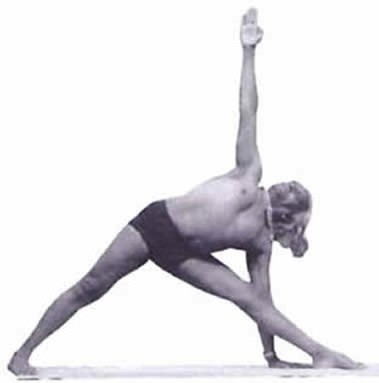 How would your cells ‘feel’ if your trikonasana looked like this? Can the leg energy liberate the spinal column, so it regains the freedom of a fish in water?
Here, imagining a new tail can be very liberating. There are three energy channels emanating downward from the muladhara: leg, leg and tail. Humans have long legs and tiny tails and that is very confusing to them. The tail energy disappears early on in development, when the anal rooting reflex is no longer being utilized for stability. But infants and toddlers are really good at using the tail energy for staying connected to Mother Earth while being engaged in activity. Adults can use the leg energy, as well as imagination, to awaken the tail aspect of the muladhara. We will use this simple movement exploration to help find this, and also open up the fields.
Fields
“Drop and Glide, or “Load and Lengthen”
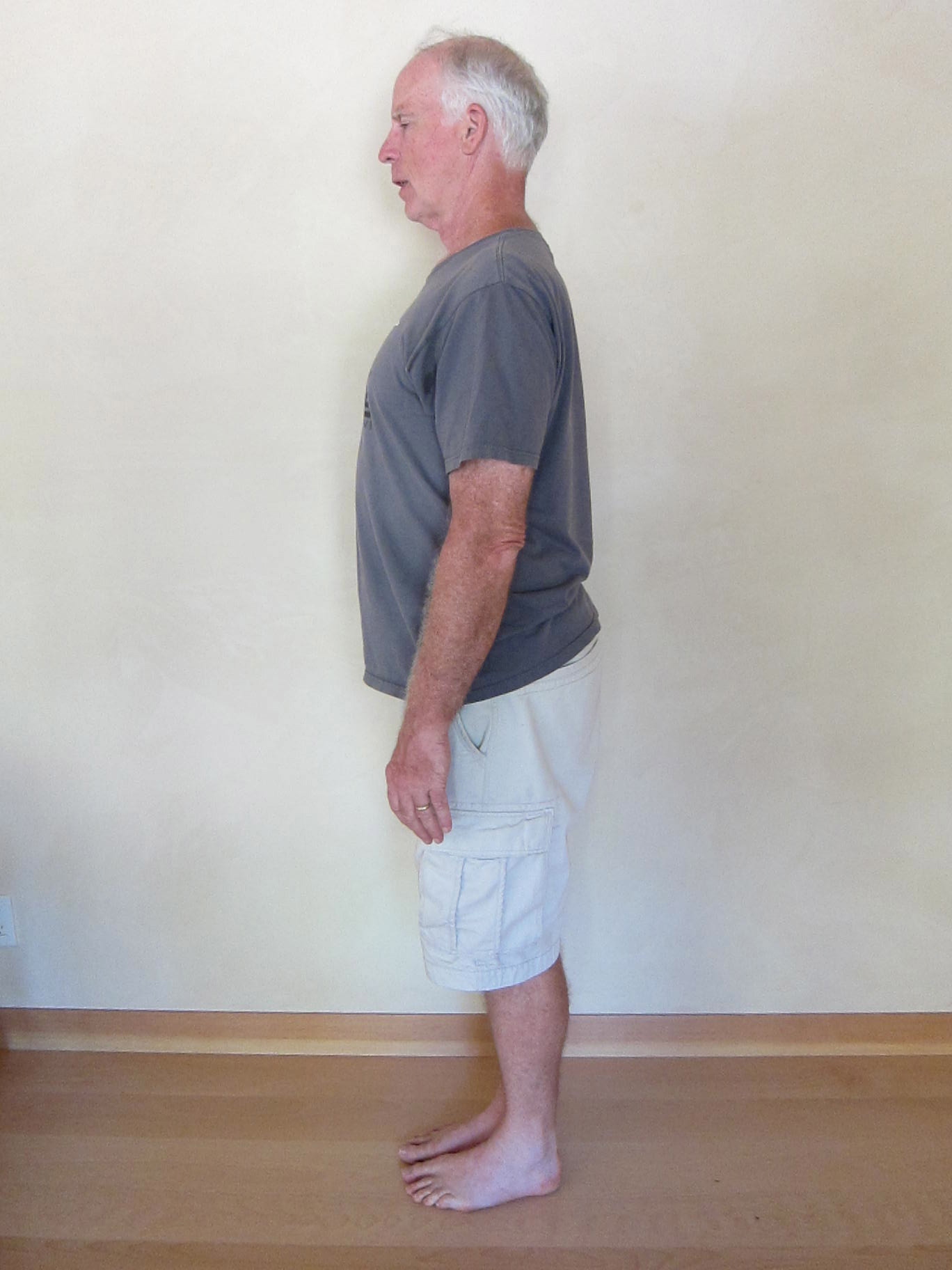
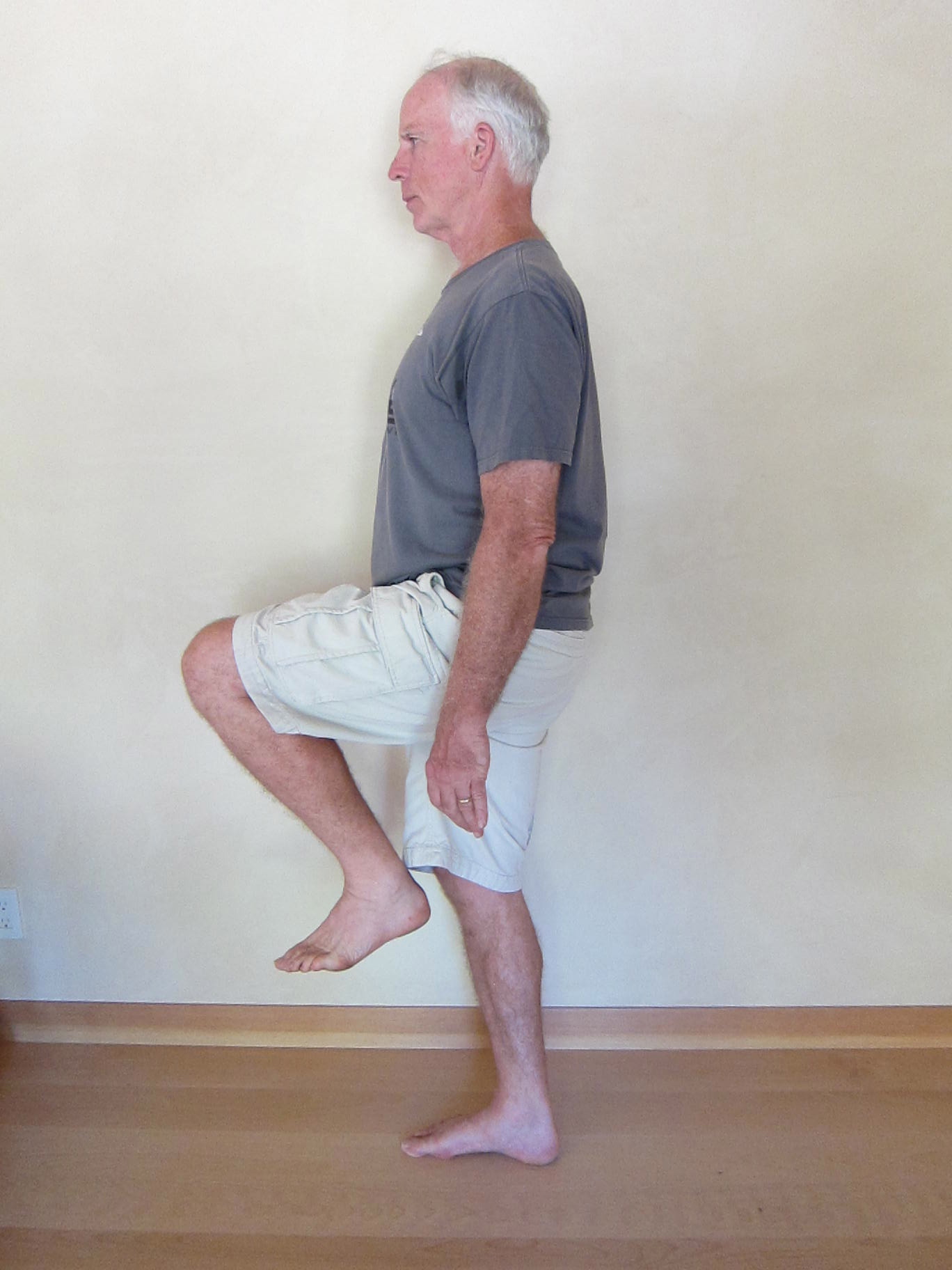
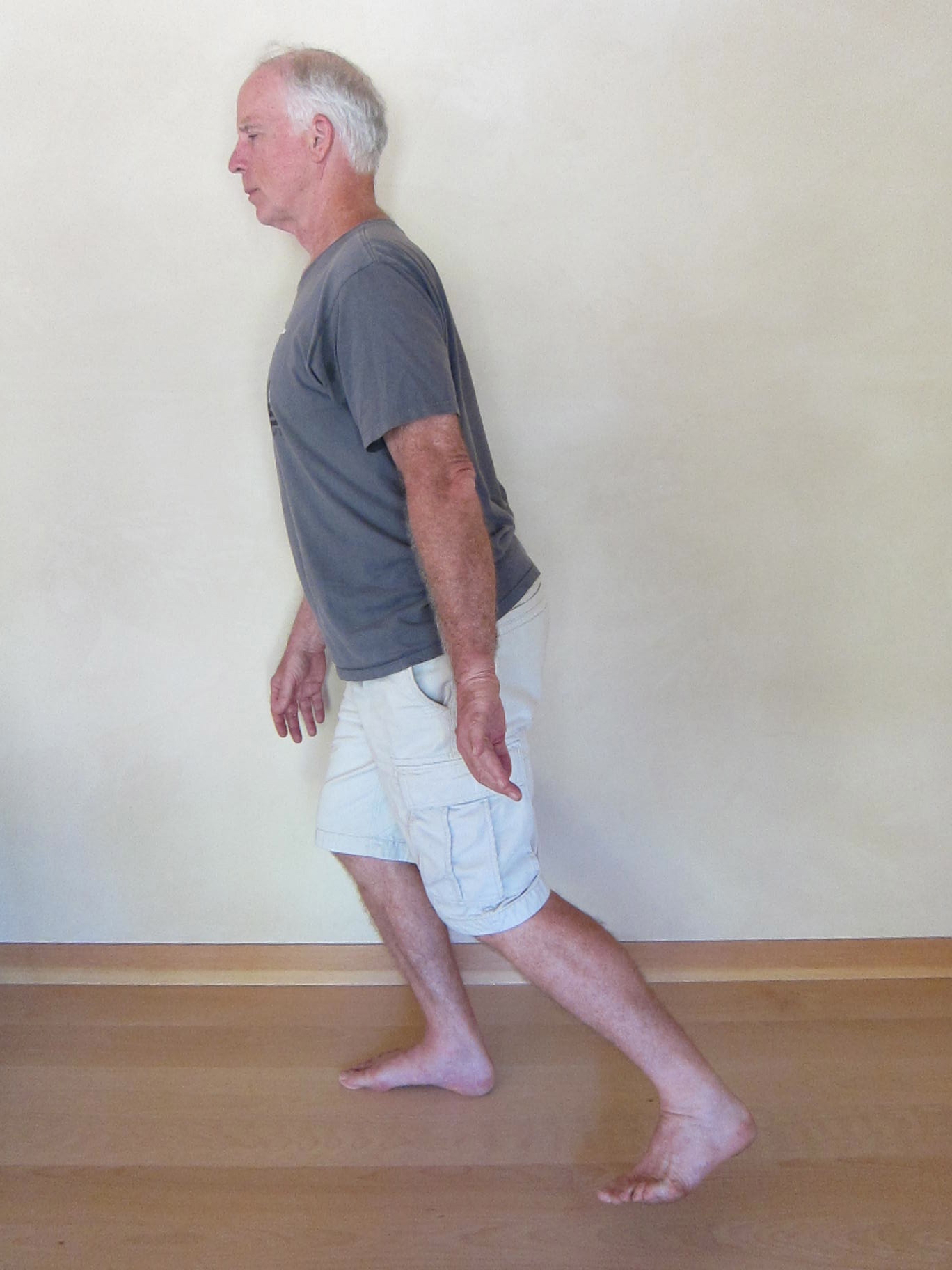
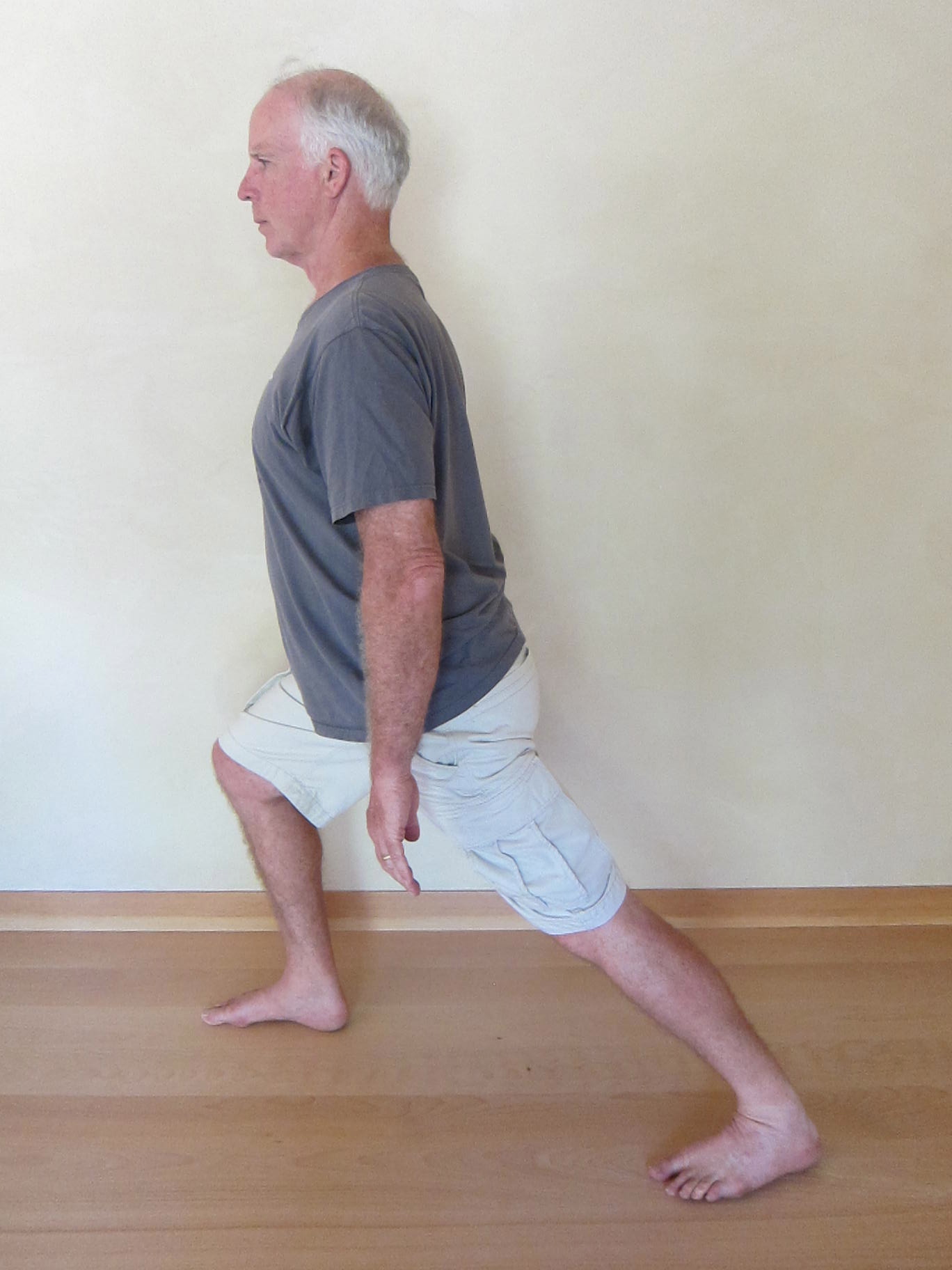
To work from the field level, we will add the chakras in the ‘drop and glide, load and lengthen’ movements we have worked on before. One foot/leg grounds with weight as the other lengthens down and out, like a skaters action. Complete the action through the inner back heel, which has a direct link to the tail energy, through the floor, and on to infinity. Do not stop or block the flow when it meets the floor. Follow the energy through the DFL. Because this is a bi-lateral action, we will be feeling the side dimensions of the chakras, and also the posterior, as there is a slight backwards components also. There is a lot of tension and resistance in the structural components here, so awakening the field energy will eliminate a lot of unnecessary strain.
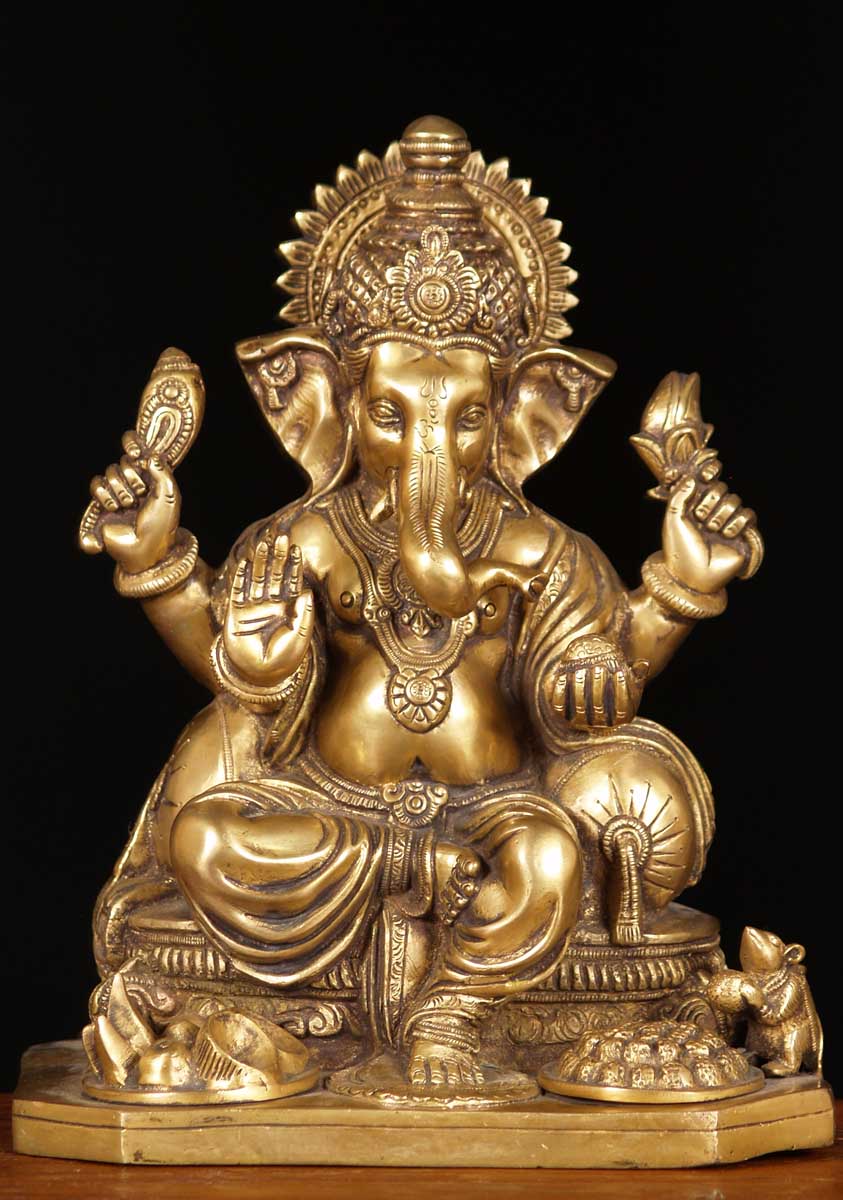
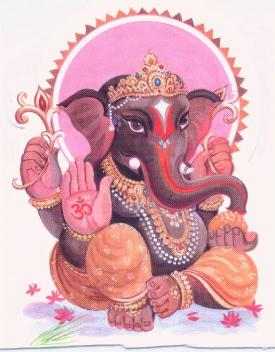
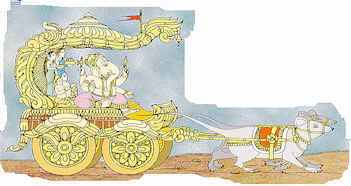
By chakra field, I am referring to all of the energies emanating from that particular chakra. They all overlap, of course, but like colors in the rainbow or notes in a chord of music, each chakra can be differentiated, as can the layers of energy associated with each  chakra. As somanauts, we utilize movement to awaken the fields, but we also have to open our lens to resonate with the other possible dimensions. As well as grounded movement, the muladhara is associated with the color red, the sense of smell, the element earth, the physiological function of defecation, survival at the most primal, organismic level. The four petals surrounding the square at the center represent the four cardinal directions. The downward pointing triangle shows the direction of the energy flow. According to tantra, the muladhara’s associated animal is the elephant, the deity, Ganesh. Lots going on here! Have some fun with this.
From tadasana, shift your weight onto one foot (load) and bend the opposite knee to the chest. Lengthen from the 1st chakra field/space as you extend down, back and slightly sideways, in a curving path of grounding energy. Open the tail, legs, pelvis and sacrum. Find space and flow. Imagine the chakra energies are like cars waiting at a traffic light. The ground is across the intersection. When the light turns green, make sure the intersection is clear of tension (relax!) and release the 1st chakra energy down the DFL. The 2nd chakra is the second car, etc. Each car has to wait for the one in front to move. A healthy car length between is good. Make sure they all travel at the same relative speed so there are no fender benders inside. If there are obstructions, slow down, work more subtley. The habit is to fight from the knots at the structural level. Resist this patiently and calmly. Stay in the field level and melt the tension.
Return to tadasana and repeat from 2nd chakra, and then from each subsequent one up through 7.  Change legs and repeat. Or, as an alternative, do 1st chakra both legs, then 2nd chakra both legs, etc. Clear out the channels as best possible. Every chakra needs grounding, just as every part of a plant needs connections to Mother Earth through its root system.
You can also recreate this in ardha chandrasana or one legged dog pose. In the classical standing poses, you do this energetically, once you are in the posture; back leg, front leg, and then both, grounding each chakra as best possible. Many of our chakras have weak root systems and need lots of nurturing. The chakras fields are loaded with memories, emotions and stored traumas, as well as light and healing energies. Grounding is an important part of their healing and the integration of the whole.
This is an open ended mystery that we are just beginning to awaken to. And for some more fun, check out ‘our new friend from Ojai’ Meredith’s short video on sacred geometry and sciatica. She is a delightful person with a visionary sense of somatics.